

What Is Patina? Why Leather Lovers Chase It
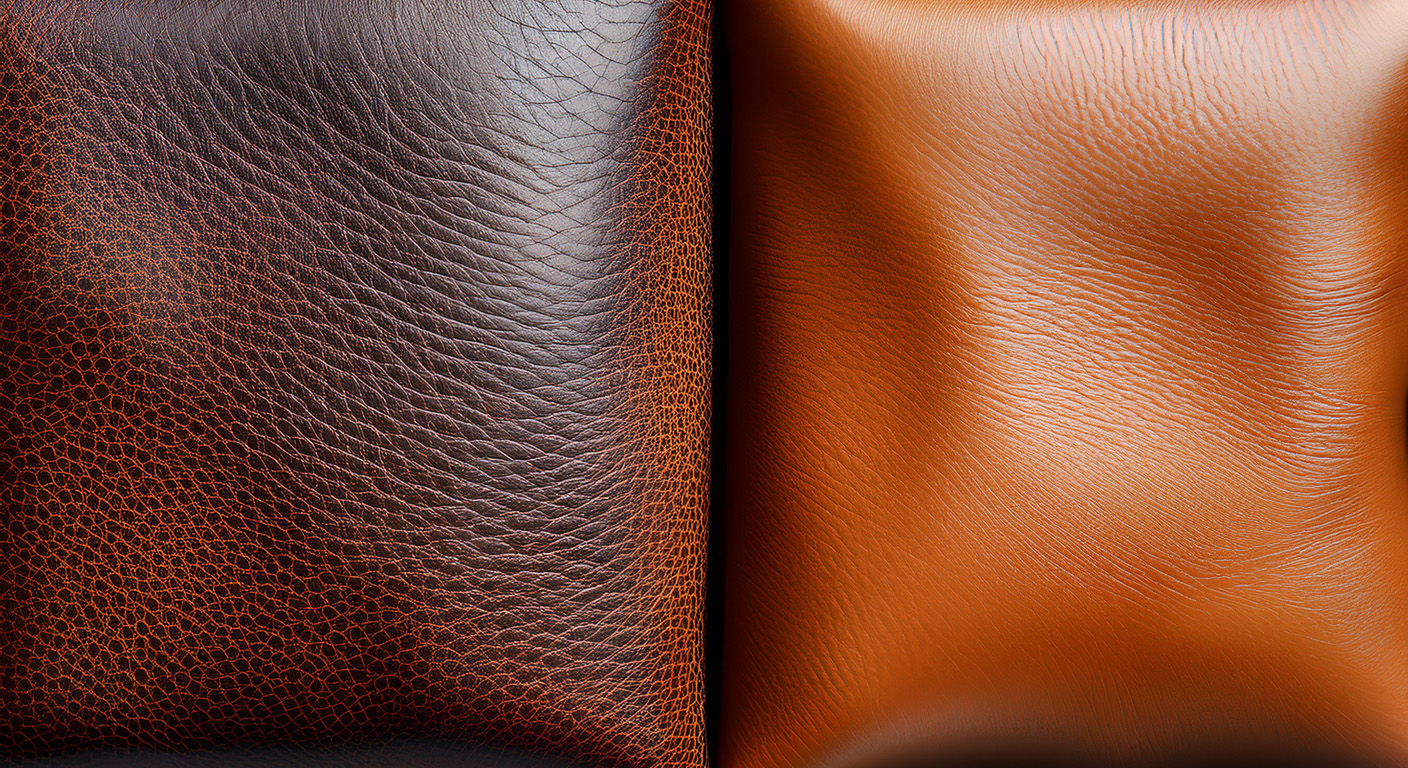
Buy almost anything and it starts depreciating the moment you own it. Good leather is one of the rare exceptions. Handle it for a year and it doesn't look worn out — it looks better. That transformation has a name: patina. It's the single most talked-about quality among leather enthusiasts, and understanding it changes the way you shop, care for and think about the things you carry.
At Burecho, a family-run workshop in Dorset, patina is part of the promise. We make pieces designed to age into something personal, so here's an honest explanation of what patina is, why it forms, and why so many people find themselves quietly obsessed with it.
What patina actually is
Patina is the gradual change in a leather's surface — colour, sheen and texture — that develops through everyday use and exposure. A new tan wallet is pale and matte; the same wallet after eighteen months in a back pocket is darker, glossier in the places your hand touches most, and marked with the soft topography of a life lived. That accumulated character is the patina.
Crucially, patina isn't damage and it isn't dirt. It's the leather maturing. Where a synthetic material simply degrades — cracking, peeling, looking tired — genuine leather transforms, and the result is almost always more beautiful than the starting point.
What causes patina to form
Several everyday forces work together to age leather, and each contributes a different part of the effect:
- Skin oils. The natural oils from your hands soak into the leather where you touch it most, deepening the colour and building a soft sheen.
- Sunlight. UV exposure gently darkens and warms the tone — which is why a wallet develops most on the side that faces out.
- Friction. The rub of a pocket, a bag or your palm polishes the surface and smooths the grain over time.
- Air and moisture. Ordinary exposure to the environment slowly matures the fibres and the finish.
- The occasional mark. A scuff here, a rounded corner there — small marks blend into the whole and add to the story rather than spoiling it.
None of this can be rushed convincingly. Manufacturers sometimes try to fake a "distressed" look with dyes and abrasion, but a genuine patina is earned, not printed — and it shows.
Why the leather underneath matters so much
Here's the catch: not all leather can develop a real patina. The ability to age gracefully depends almost entirely on the type of hide and how it was tanned.
Full-grain leather — the outermost, strongest layer with its natural grain intact — is the gold standard for patina, because its surface is real leather all the way through and open enough to absorb oils and light. Vegetable-tanned leather patinas especially beautifully, developing that warm, honeyed glow enthusiasts love.
By contrast, cheap corrected-grain or heavily coated "genuine leather" is sealed under a plastic-like layer of pigment. That coating blocks the oils and light that create patina — so instead of maturing, it just wears through and peels. If patina matters to you, the material you start with is everything.
How different colours patina
Starting colour dramatically changes how the ageing looks. A tan or natural leather shows the most dramatic transformation, deepening through caramel towards a rich amber. Browns move towards chocolate and gain glossy highlights. Even black leather develops subtle grey tones on the flex points and a deeper sheen where it's handled. Our dedicated leather colour guide walks through exactly how tan, brown and black each evolve, which is well worth reading before you choose a piece.
Why enthusiasts chase it
So why do people genuinely get excited about a slightly darker, slightly shinier wallet? A few reasons run deeper than aesthetics:
It's uniquely yours
No two patinas are identical, because no two lives are. The way your leather ages is a record of where you've carried it and how you've used it — an object that literally can't be mass-produced, because you're finishing it yourself, slowly, over years.
It's proof of quality
A good patina is only possible on good leather. When a piece ages beautifully instead of falling apart, it's quiet confirmation that you bought something real. It's the visible reward for choosing craftsmanship over a bargain.
It's the opposite of throwaway
Patina reframes wear as improvement. Instead of watching an object deteriorate towards the bin, you watch it get better — which is the whole spirit behind buying things meant to last. Our buy-it-for-life wallet piece makes that case in full, and it's exactly why we'd rather you kept one good wallet for a decade than replaced a cheap one every year.
How to help your leather patina well
The best thing you can do is, honestly, use it. But a light touch of care keeps the ageing healthy rather than neglected:
- Carry it and handle it. Skin oils and daily use are the engine of patina. A wallet kept in a drawer never develops.
- Give it a little sun — in moderation. Gentle light deepens the tone. Prolonged, harsh sun can dry leather out, so think warmth, not a windowsill all summer.
- Don't over-condition. Feeding leather too often muddies the patina and over-softens it. Condition sparingly — our guide on conditioning a leather wallet without ruining it explains the right rhythm.
- Let small marks be. Resist buffing out every scuff; they settle into the whole. For deeper ones, see removing scratches from full-grain leather.
- Follow a simple routine. Our complete full-grain leather care guide keeps everything supple and ageing gracefully.
Patina you can start today
The pieces most rewarding to patina are the ones you'll reach for daily — a wallet, a passport cover, a journal that lives in your bag. Our personalised passport wallets and full-grain leather journals are made from exactly the kind of hide that ages beautifully, and the premium Italian leather in our Badalassi Heritage collection patinas as richly as any we work with. Browse the whole leather goods range and start your own.
Frequently asked questions
What is leather patina?
Patina is the natural change in a leather's colour, sheen and texture that develops through everyday use and exposure. It's the leather maturing over time, and it typically makes a piece look better, not worse.
Is patina the same as damage?
No. Damage is cracking, peeling or structural failure — usually a sign of poor-quality leather. Patina is healthy ageing: a deeper colour and softer sheen that enthusiasts actively prize.
How long does it take for leather to develop a patina?
You'll often notice subtle changes within a few weeks of regular use, with a rich, well-developed patina forming over several months to a couple of years, depending on how much you handle it and the light it sees.
Which leather develops the best patina?
Full-grain and vegetable-tanned leathers patina best because their surfaces can absorb the skin oils and light that drive the process. Cheap coated or corrected-grain leather can't patina — it just wears through.
Can I speed up patina?
Not convincingly. Using and handling the leather, and giving it a little gentle light, encourages a natural patina. Trying to force it with heat or chemicals usually damages the leather rather than ageing it well.
Does conditioning leather affect patina?
A little conditioning keeps the leather healthy, but over-conditioning darkens and muddies the patina and over-softens the piece. Feed leather sparingly — once or twice a year is usually plenty.