

What Is Crazy Horse Leather? Why It Gets Better With Age
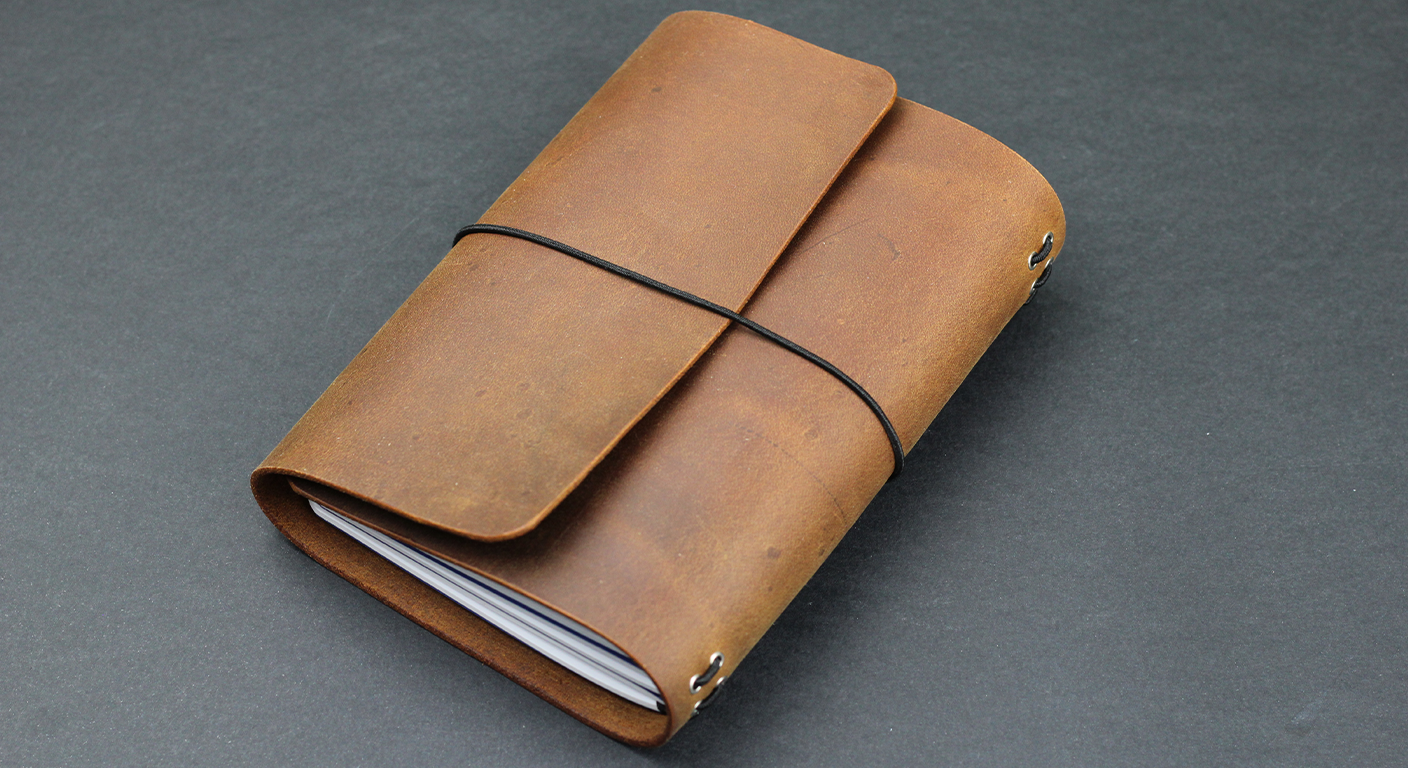
Some leathers are prized for looking flawless. Crazy Horse leather is prized for the opposite reason: it wears its history openly. Rub a mark into it and, more often than not, the mark half-disappears with the warmth of your thumb. Carry it for a year and it deepens, softens and starts to look like it belongs to you rather than to a shop shelf. It's one of the most characterful materials we work with, and one of the most misunderstood — so here's an honest, jargon-free explanation of what it actually is.
At Burecho, a family-run workshop in Dorset, we care a great deal about materials that improve with age rather than fall apart. Crazy Horse leather is a lovely example of exactly that philosophy, so it's worth understanding before you buy anything made from it.
The name has nothing to do with horses
Let's clear up the obvious question first: Crazy Horse leather is not made from horse hide. The confusion is understandable, but the name refers to a finishing process, not an animal. The hide underneath is typically full-grain cowhide — the strongest, most durable layer of the skin, with its natural grain intact.
What makes it "Crazy Horse" is what happens on the surface. The leather is buffed and then heavily saturated with a special wax and oil blend. That wax is the whole secret, and it's responsible for every characteristic people either love or find surprising.
How Crazy Horse leather is made
The starting point is a good hide. Because the effect only works well on quality leather, most Crazy Horse is built on full-grain leather — the outermost layer where the fibres are densest and the natural markings remain. If you're not sure why that distinction matters, our guide comparing full-grain, top-grain and genuine leather is a useful companion read.
Once the hide is tanned, the surface is lightly buffed to open it up, then infused with a hot wax-and-oil mixture that soaks deep into the fibres. As the wax cools and settles, it creates a surface that behaves in a very particular way:
- It's colour-shifting. Bend, fold or scratch the leather and the wax moves, revealing a lighter shade underneath. That's the trademark "pull-up" effect.
- It's semi-self-healing. Light scratches can be smoothed away by rubbing them with a finger, a soft cloth or a gentle application of warmth — the wax redistributes and the mark fades.
- It has natural water resistance. The heavy wax content helps the surface shrug off the odd splash far better than an untreated leather would.
None of this involves a plastic coating or a printed-on grain. It's a genuine treatment of a genuine hide — which is exactly why it ages so honestly.
Why it looks scratched (and why that's the point)
The first time people handle Crazy Horse leather, they're often startled to see faint marks and tonal variation straight out of the box. This is normal — it isn't damage, and it isn't a fault. The waxed surface reacts to every touch, so even ordinary handling in the workshop leaves a soft, lived-in patina.
If you want a piece that stays museum-perfect and uniform, Crazy Horse probably isn't for you. But if you like the idea of an object that records your life — the corner that rounded off in your bag, the sheen that built up where your hand rests — then this is one of the most rewarding leathers you can own. It arrives with character and only gains more.
How Crazy Horse leather ages
Ageing is where this material truly earns its keep. Over months of use, the wax settles unevenly with wear, the high-contact areas darken and gloss, and the whole piece develops a deep, glowing patina that no factory can fake. Two identical items will look completely different after a year, because they'll have lived two different lives.
The way it ages is closely tied to its starting colour. A tan Crazy Horse deepens towards a warm caramel; a brown moves towards a rich chocolate; a black gains soft grey highlights on the flex points. Our leather colour guide goes into exactly how different shades develop over time, which is worth a look before you commit to a colour.
Crazy Horse vs vegetable-tanned leather
People often ask how Crazy Horse compares to the vegetable-tanned leather we use for many of our journals and wallets. They aren't rivals so much as different tools for different jobs.
- Vegetable-tanned leather starts firmer and more matte, and develops its patina slowly and cleanly. It's ideal when you want engraving to sit crisply and the piece to darken gracefully with sun and skin oils.
- Crazy Horse leather starts softer and more rugged, hides scuffs readily, and looks weathered from day one. It's ideal for anyone who wants a hard-wearing, outdoorsy character that isn't precious about marks.
Tanning and finishing are two different stages, so it's worth noting that Crazy Horse can itself be built on a veg-tanned hide — the wax finish is added on top. The premium hides in our Badalassi Heritage collection show just how beautiful properly tanned full-grain leather can be as a foundation.
Looking after Crazy Horse leather
The good news is that Crazy Horse is refreshingly low-maintenance. Because it's already loaded with wax and oil, it doesn't demand frequent feeding. A few simple habits keep it at its best:
- Let it wear. Resist the urge to buff out every scratch. The evolving surface is the appeal — over-fussing flattens the character you're paying for.
- Smooth deeper marks with warmth. For a scratch you'd rather lose, gently rub it with a clean thumb or a soft cloth. The heat softens the wax and the mark eases. Our guide on removing scratches from full-grain leather covers this in more detail.
- Condition sparingly. Once or twice a year, a light conditioner keeps the fibres supple. Don't overdo it — see how to condition a leather wallet without ruining it for the right approach.
- Handle water calmly. The wax helps, but a soaking still needs care. Blot, don't rub, and let it dry slowly away from direct heat, as we explain in what to do when leather gets wet.
Is Crazy Horse leather worth it?
If you value a material that starts handsome and grows more so — one that forgives the odd knock instead of recording it as damage — then yes, wholeheartedly. It's rugged, genuinely water-resistant, and built on the same buy-it-for-life logic that runs through everything we make. For the wider case on why a single well-made leather piece beats a drawer of cheap ones, our buy-it-for-life wallet guide is a good next stop.
You'll find waxed and full-grain pieces across our leather goods range and full product catalogue — many with free engraving, all made to order by hand in our UK workshop. If character matters to you as much as durability, Crazy Horse leather is hard to beat.
Frequently asked questions
Is Crazy Horse leather real leather?
Yes. It's genuine full-grain cowhide that has been buffed and treated with a wax-and-oil finish. The name refers only to that finishing process, not to any horse.
Why does Crazy Horse leather scratch so easily?
The waxed surface is designed to shift when touched, which creates the signature colour-changing effect. Most light scratches aren't damage and can be smoothed away by rubbing them with a warm finger or soft cloth.
Is Crazy Horse leather waterproof?
It isn't fully waterproof, but its heavy wax content makes it more water-resistant than untreated leather. If it gets soaked, blot it dry and let it air-dry slowly away from direct heat.
How do I care for Crazy Horse leather?
Very little is needed. Let it develop its patina naturally, smooth deeper marks with warmth, and apply a light conditioner only once or twice a year to keep the fibres supple.
Does Crazy Horse leather get better with age?
It does. With use, the wax settles unevenly, high-contact areas darken and gloss, and the piece develops a deep, individual patina that improves for years.
Can Crazy Horse leather be engraved?
It can, though the waxed, textured surface gives a softer, more rustic engraved finish than firmer veg-tanned leather. If you want crisp engraving, a smoother full-grain hide may suit better.